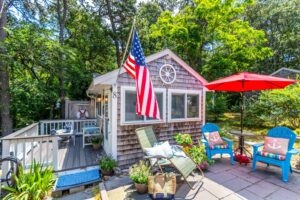


Owning a waterfront estate on Cape Cod has always carried a certain magic—the salt air, the shifting tides, the quiet rhythm of boats heading out at dawn.
But for serious boaters, the dream doesn’t stop at the view. It hinges on something far more practical: access. Not just to the water, but to deep, navigable water that accommodates larger vessels without worry.
That’s where things get complicated—and competitive. The Cape’s coastline is one of the most environmentally protected in the country, and building or maintaining a private dock isn’t as simple as dropping pilings into the seabed.
Regulations are layered, approvals are rigorous, and timelines can stretch. As a result, properties that already have compliant docks—especially those with deep-water access—sit in a league of their own.
If you’re exploring the upper tier of waterfront real estate here, understanding Cape Cod deep water dock permits and the broader framework of coastal dock licensing in Massachusetts is essential.
These aren’t just bureaucratic hurdles—they’re the gatekeepers to long-term value, usability, and peace of mind.
What Are Cape Cod Deep Water Dock Permits
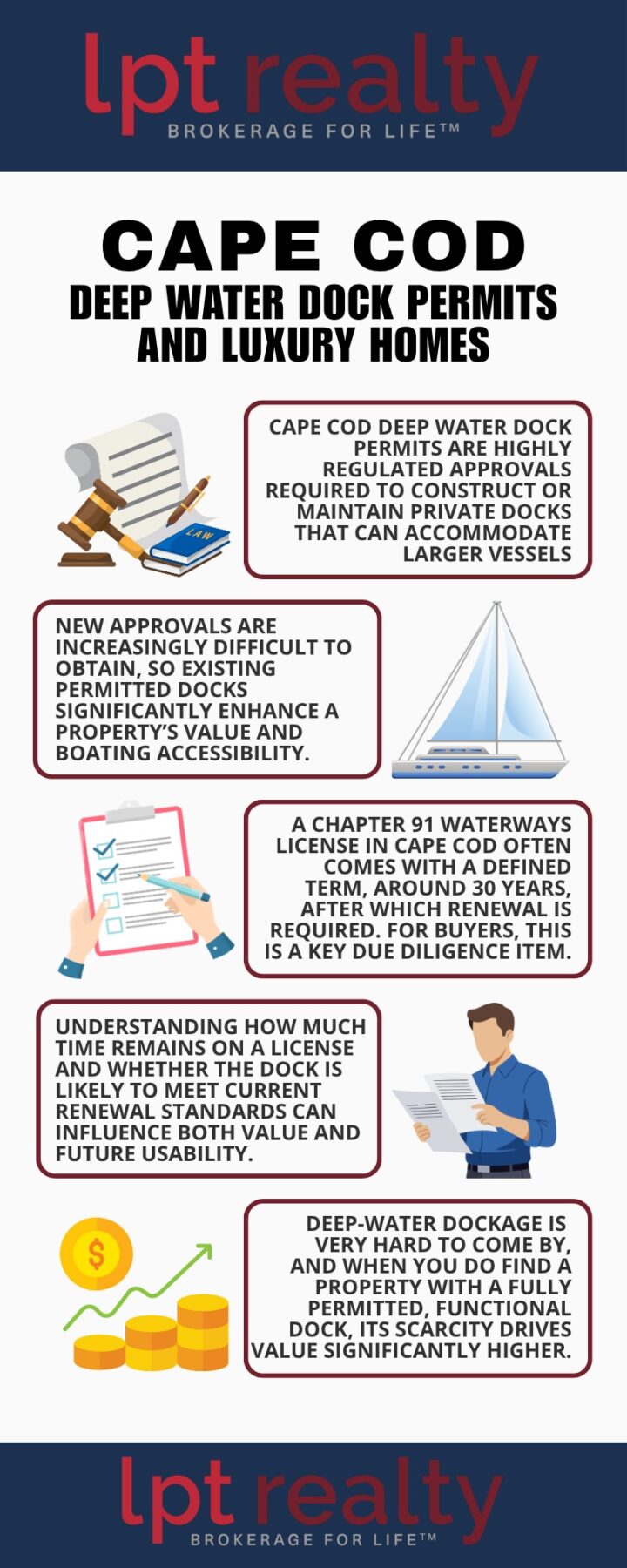
Cape Cod deep water dock permits are highly regulated approvals required to construct or maintain private docks capable of accommodating larger vessels. These permits involve local and state oversight, and because new approvals are increasingly difficult to obtain, existing permitted docks significantly enhance a property’s long-term value and boating accessibility.
Navigating Coastal Dock Licensing in Massachusetts
A Multi-Agency Process
Securing coastal dock licensing in Massachusetts is not a one-stop shop. It’s a layered approval process involving multiple agencies, each with its own priorities and jurisdiction. At the local level, the harbormaster evaluates navigational safety and mooring impacts.
Then there’s the Massachusetts Department of Environmental Protection (MassDEP), which focuses on environmental compliance—everything from water quality to habitat protection.
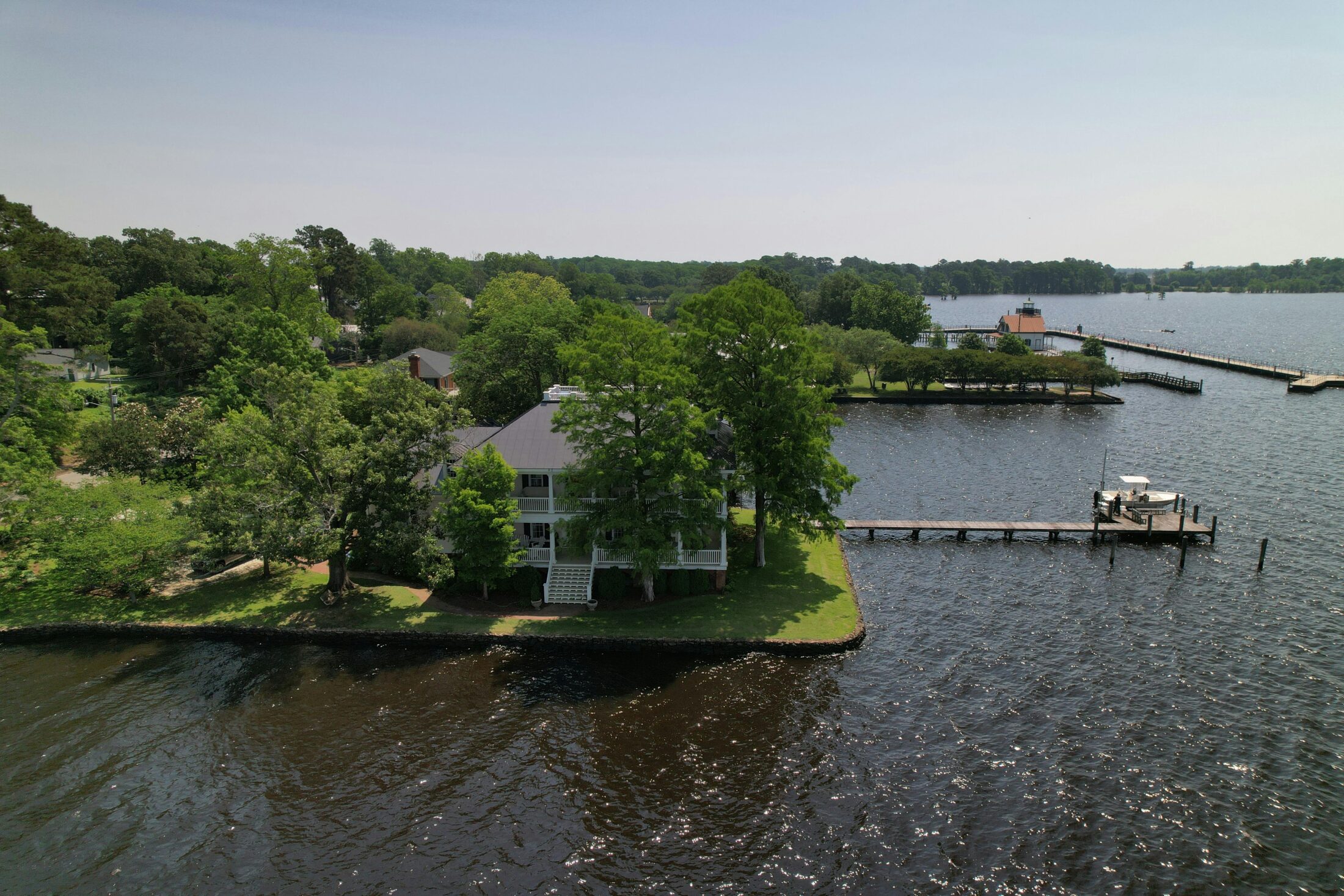
In certain cases, particularly where federal waterways are involved, the U.S. Army Corps of Engineers also weighs in.
What this means in practice is simple: obtaining a new dock permit today is both time-consuming and uncertain. That’s why properties with pre-existing, fully approved docks are so prized—they’ve already cleared the regulatory gauntlet.
Transferring Permits
When a waterfront home changes hands, dock permits don’t automatically become a non-issue. While many licenses can transfer with the property, buyers need to do their homework.
A critical step is verifying that the dock was built according to its approved plans and remains in compliance. Any deviations—extensions, unapproved modifications, or neglected maintenance—can become the new owner’s responsibility.
In some cases, that can mean costly remediation or even removal.
Understanding the Chapter 91 Waterways License on Cape Cod
The Public Trust Doctrine
Massachusetts waterfront regulation is rooted in centuries-old legal principles. The Chapter 91 waterways license exists to uphold the Public Trust Doctrine, which ensures that coastal waters remain accessible for public uses like fishing, navigation, and recreation.
For private dock owners, this means your structure cannot unreasonably interfere with these rights. Even if you own the upland property, the water itself remains a shared resource.
Compliance and Expiration
Unlike many property features, dock licenses are not always perpetual. A Chapter 91 waterways license in Cape Cod often comes with a defined term—commonly around 30 years—after which renewal is required.
For buyers, this is a key due diligence item. Understanding how much time remains on a license and whether the dock is likely to meet current renewal standards can influence both value and future usability.
The Appeal of Deep Water Access Homes in Osterville
The Boater’s Paradise
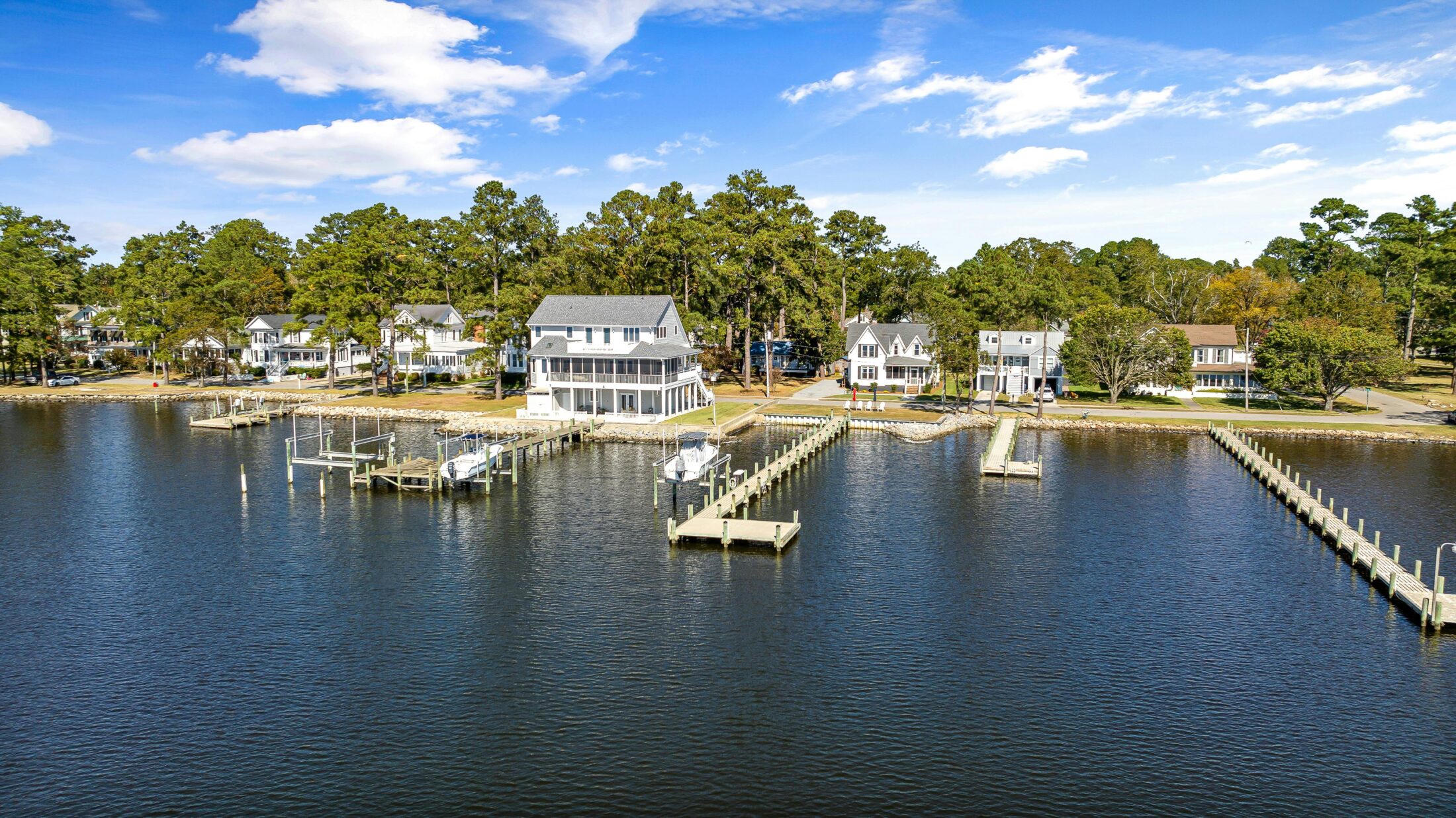
Osterville has quietly built a reputation as one of Cape Cod’s premier boating enclaves. Properties along West Bay and the Centerville River offer something increasingly rare: direct, deep-water access to Nantucket Sound.
There’s no weaving through narrow channels or timing departures around tides. You can leave your dock and be in open water within minutes—a major advantage for yacht owners and serious anglers alike.
Property Premiums
That convenience comes at a price—but for many buyers, it’s worth every dollar. Deep water access homes in Osterville command significant premiums, driven largely by their private docking capabilities.
For owners of sailboats, sportfishing vessels, or larger yachts, having a compliant dock in your backyard isn’t just a luxury—it’s a necessity. And in today’s regulatory climate, it’s one that’s becoming harder to replicate.
Exploring Luxury Waterfront Real Estate in Chatham, MA
Scenic Beauty and Boating
Chatham offers a different kind of appeal. Here, the draw is as much about the scenery as it is about the boating.
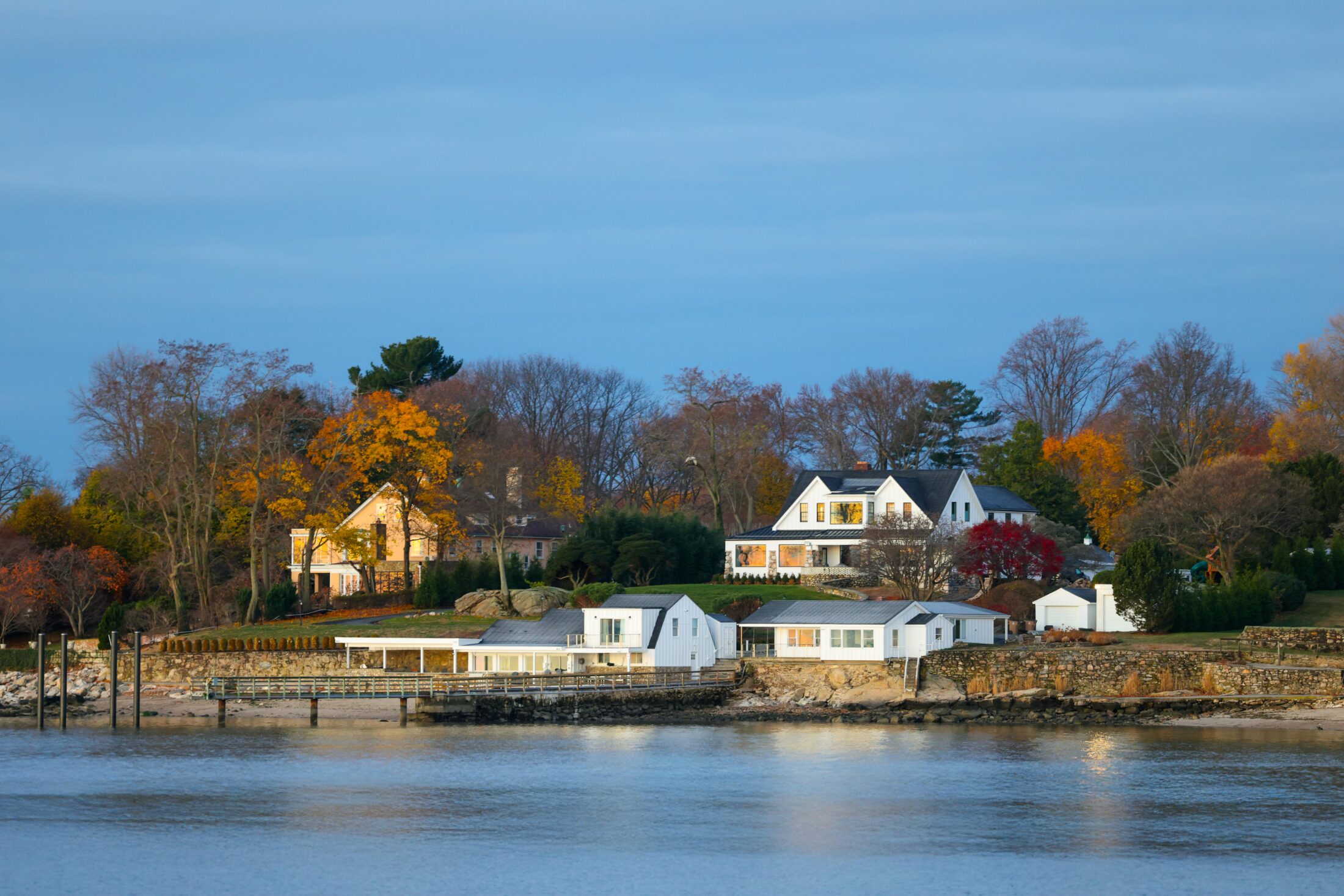
With sweeping views of the Atlantic and the calm waters of Pleasant Bay, the setting is undeniably picturesque.
Luxury waterfront real estate in Chatham, MA, attracts buyers who appreciate historic charm, coastal character, and a slightly more understated elegance.
Navigational Challenges
But from a boating perspective, Chatham presents unique challenges. The area’s inlets are known for shifting sandbars and strong tidal currents, which can complicate navigation—especially for deeper-draft vessels.
As a result, truly deep-water dockage is harder to come by. And when you do find a property with a fully permitted, functional dock, its scarcity drives value significantly higher.
Cape Cod Conservation Commission Dock Regulations 2026
Protecting the Ecosystem
The Cape Cod conservation commission dock regulations for 2026 place a strong emphasis on environmental preservation. New dock proposals are carefully scrutinized for their impact on eelgrass beds, shellfish habitats, and overall coastal ecosystems.
Restrictions often include limits on dock length, height, and even the materials used in construction—all designed to minimize ecological disruption.
Grandfathered Status
For existing docks, this evolving regulatory landscape creates a powerful advantage: grandfathered status.
Docks built under older, less restrictive rules often don’t need to meet today’s tighter standards—so long as they remain compliant with their original approvals.
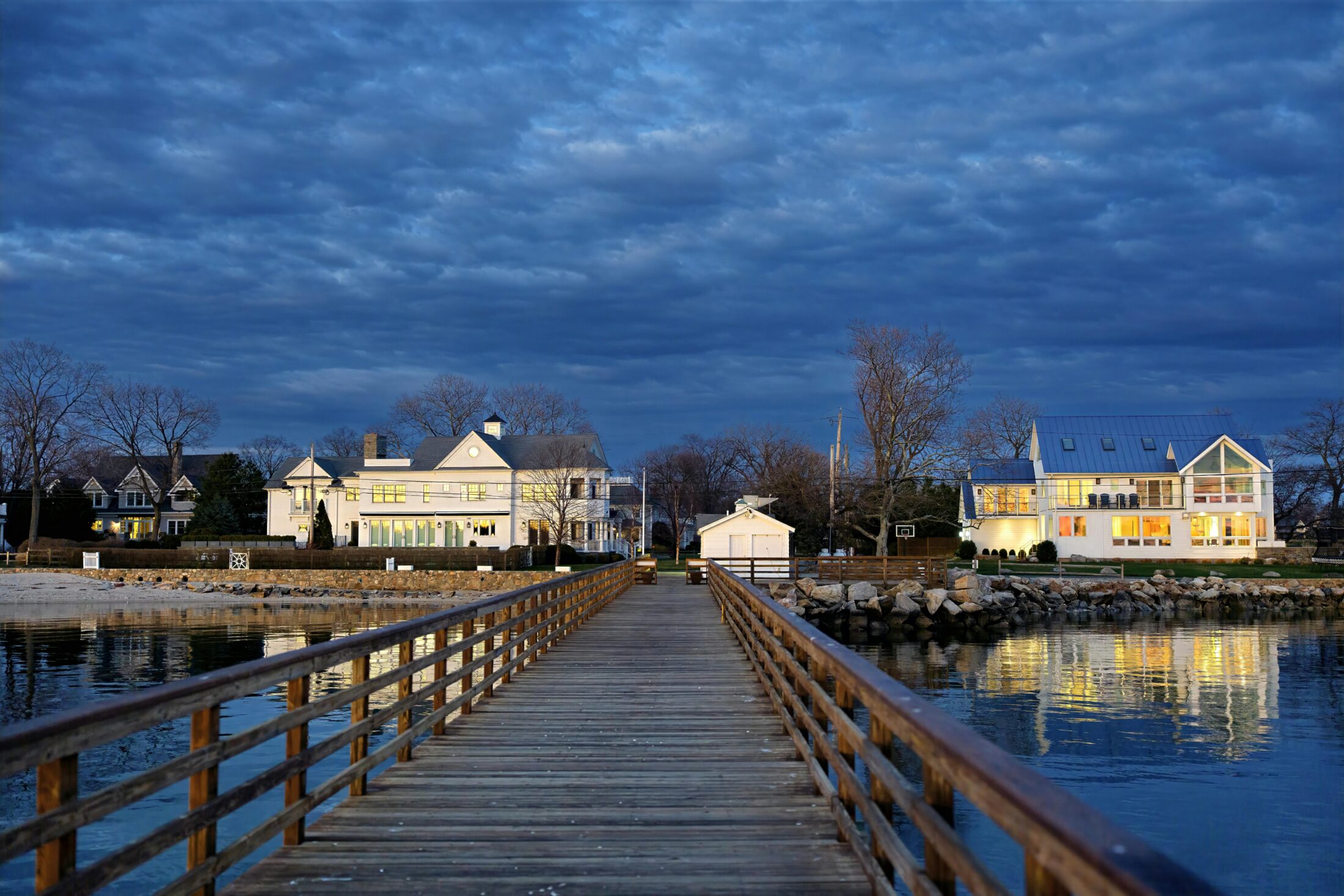
That makes them incredibly valuable. In many cases, replicating the same structure today would be nearly impossible.
Waterfront Property Comparison Table
| Location | Water Access Type | Typical Vessel Suitability | Regulatory Difficulty |
|---|---|---|---|
| Osterville (West Bay) | Deep Water | Mega Yachts / Sailboats | High |
| Chatham (Pleasant Bay) | Shifting / Tidal | Shallow Draft / Center Consoles | Very High |
| Falmouth (Great Pond) | Protected / Deep | Mid-Size Yachts | High |
| Yarmouth (Bass River) | Moderate Depth | Powerboats | Moderate to High |
Key Takeaway
In the world of Cape Cod real estate, waterfront alone isn’t enough—the true measure of value is access.
With the Cape Cod conservation commission’s dock regulations for 2026 making new construction increasingly difficult, properties that already feature compliant docks stand apart.
Homes with existing Cape Cod deep water dock permits and a valid Chapter 91 waterways license are, quite simply, irreplaceable assets.
Whether you’re drawn to the effortless boating lifestyle of Osterville or the scenic beauty of Chatham, MA, understanding coastal dock licensing in Massachusetts is essential to making a smart, long-term investment.
If you’re considering a Cape Cod waterfront home—especially one with dock potential—having the right guidance makes all the difference.
From verifying permits to understanding long-term value, expert insight is key. Reach out today at 508-846-2243 or email erin@homesofcapecod.com to start a conversation about finding a property that truly fits your boating lifestyle.
Frequently Asked Questions
How long does a Chapter 91 waterways license in Cape Cod remain valid?
Typically around 30 years, though terms can vary depending on the specific approval.
Are coastal dock licensing requirements in Massachusetts different for freshwater ponds versus saltwater bays?
Yes. Saltwater docks generally face stricter oversight due to navigational and environmental considerations.
How do the Cape Cod conservation commission dock regulations for 2026 affect existing docks?
Most existing docks are grandfathered, provided they remain compliant with their original permits.
What is the minimum depth required to be considered among deep water access homes in Osterville?
While it varies, depths of 6–10 feet at mean low water are typically considered suitable for larger vessels.
Do all properties featuring luxury waterfront real estate in Chatham, MA, allow for a private dock?
No. Many properties lack the necessary conditions or approvals for dock construction.
Can I expand an existing dock after I purchase a waterfront home on Cape Cod?
Expansions usually require new approvals and must meet current regulations, which can be restrictive.
What role does the harbormaster play in Cape Cod deep-water dock permits?
The harbormaster evaluates navigational safety and ensures the dock does not interfere with boating traffic or mooring fields.