

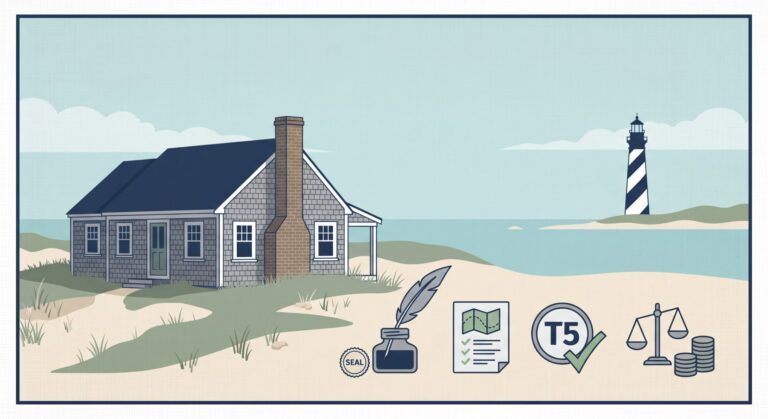
Navigating a home purchase or sale in Barnstable County involves unique contractual steps, local environmental regulations, and conveyancing rules. To help buyers and sellers move from accepted offer to closing day with confidence, a local real estate attorney breaks down answers to a few essential Cape Cod real estate legal questions below.
Q: The Offer comes before Purchase and Sale Agreement, why the two-step process?
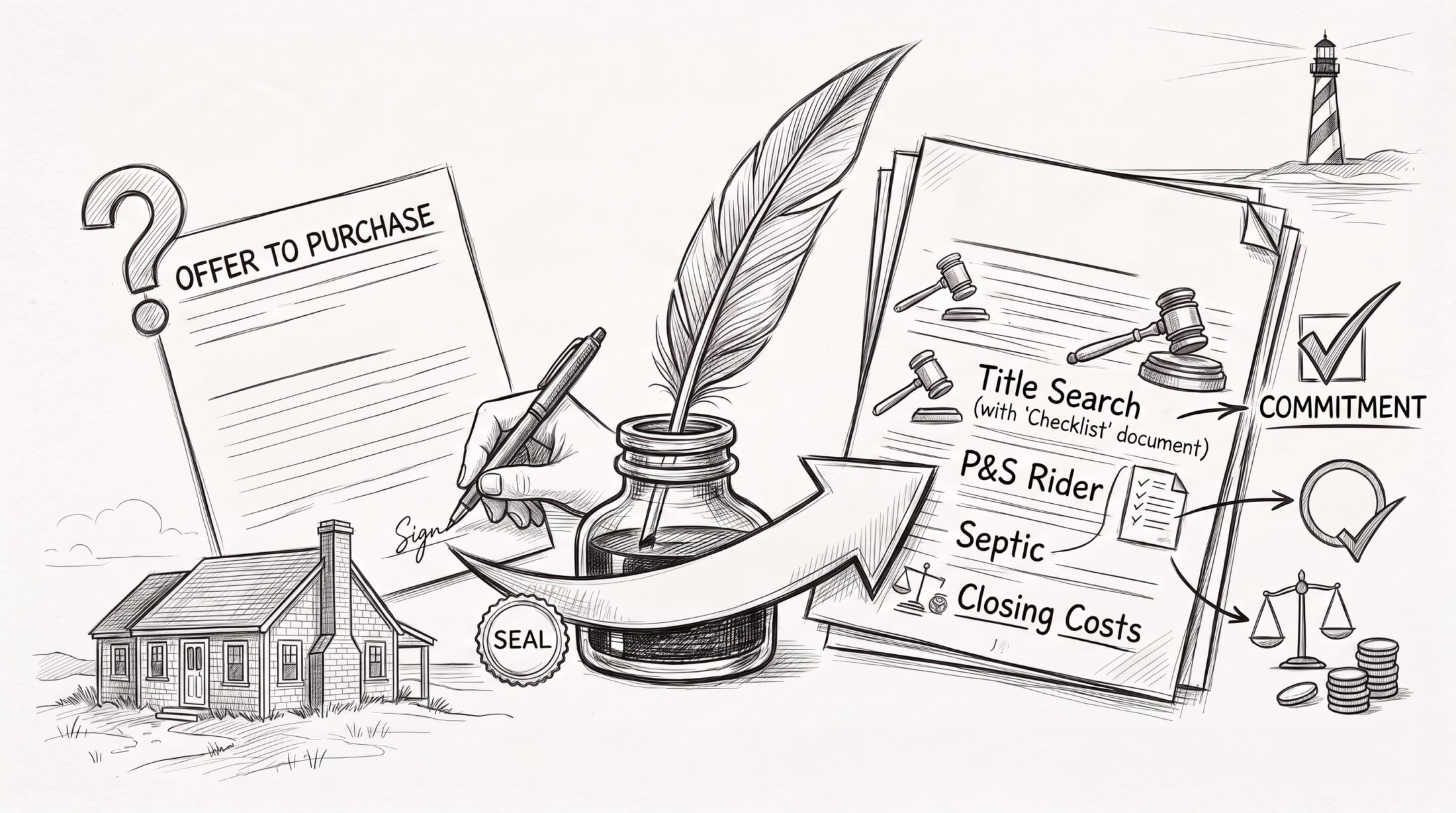
A: The offer is a legally binding agreement in which the parties, Buyer and Seller, agree to the general terms of the transaction – i.e. sale price, closing date, deposit amount and applicable contingencies including financing and home inspection. Generally, the Buyer puts down a small deposit with the offer and agrees to put down a more substantial deposit upon signing the purchase and sale agreement. The two-step contract process allows the Buyer to perform certain due diligence such as a home inspection before making a more substantial financial commitment when they sign the purchase and sale agreement. The most that a Buyer has at risk with the offer is the small initial deposit. Since the offer is a legally binding agreement, it is important that the Seller realize that the Buyer can enforce the terms of the contract for any breach by the Seller.
Q: Clients always hear attorneys talk about adding a 'Rider' to the P&S. What is a Rider, and what is its purpose?
A: A rider is legal document that adds certain provisions to the purchase and sale agreement such as granting the Buyer access to the property after the P&S is signed and clarifying some of the title requirements for closing, among other things. It is common for an addendum to be added to a purchase and sale agreement for the benefit of both the Buyer and Seller.
Q: Can a Buyer or a Seller use a Power of Attorney if they can't attend the closing in person?
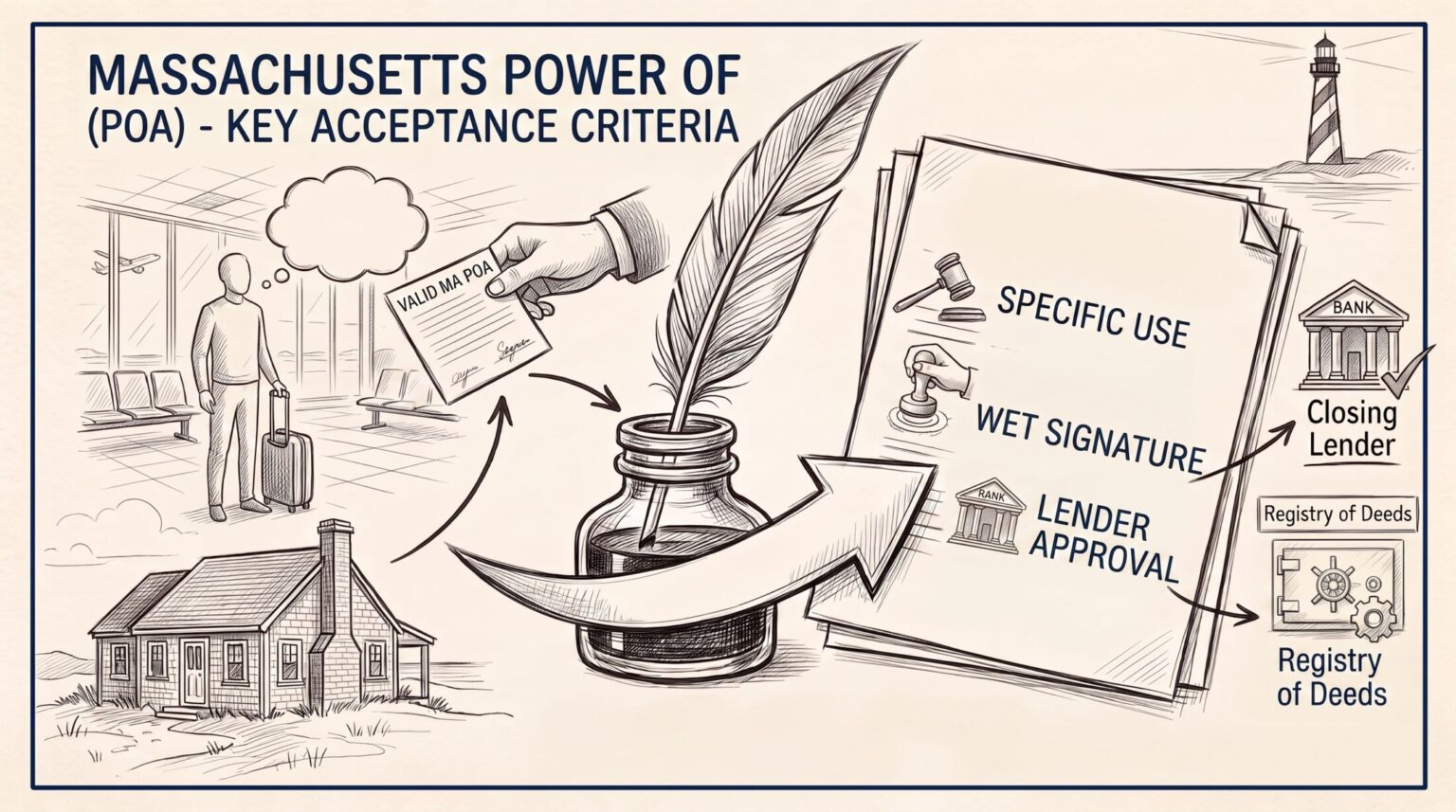
A: A power of attorney is a legal document that grants another person the ability to act and sign legal documents on behalf of the principal party. Both the Buyer and Seller can use a power of attorney document for closing. The Seller typically gives their attorney authority to handle the closing transaction and exchange closing paperwork with the Buyer’s attorney. It is preferred that a Seller personally sign a deed, but a deed can be signed under power of attorney in certain circumstances. Buyers can also use a power of attorney for closing, but if working with a lender, the Buyer would first have get approval from their lender.
Q: In an age where digital signatures are standard, why do real estate deeds still require 'wet' ink signatures and notarization in Massachusetts?
A: Many legal documents, including the offer and purchase and sale agreement, can be signed electronically. Certain documents, however, have to be signed personally before a notary public including the deed and some loan documents, including the mortgage. Requiring “wet” signatures helps ensure the veracity of the documents being signed.
Q: Closing costs can catch people off guard. From the legal side, what types of fees fall under 'closing costs' for a Buyer or a Seller in Barnstable County?
A: Seller typical closing costs include the following: attorney fee, document stamps amounting to $6.48 per thousand based on the purchase price if selling in Barnstable County and $4.56 per thousand if selling outside of Barnstable County. The Seller also pays their broker commission, final water bill and certain recording fees that amount to roughly $110 per document.
Aside from lender closing costs, Buyer closing costs can include the following: attorney fee, recording fees, plot plan, title exam and owner’s title insurance (which is optional, but recommended).
Q: What does a closing attorney look for when running a title search on a Cape property, and what are the most common 'clouds' or issues that delay closing?
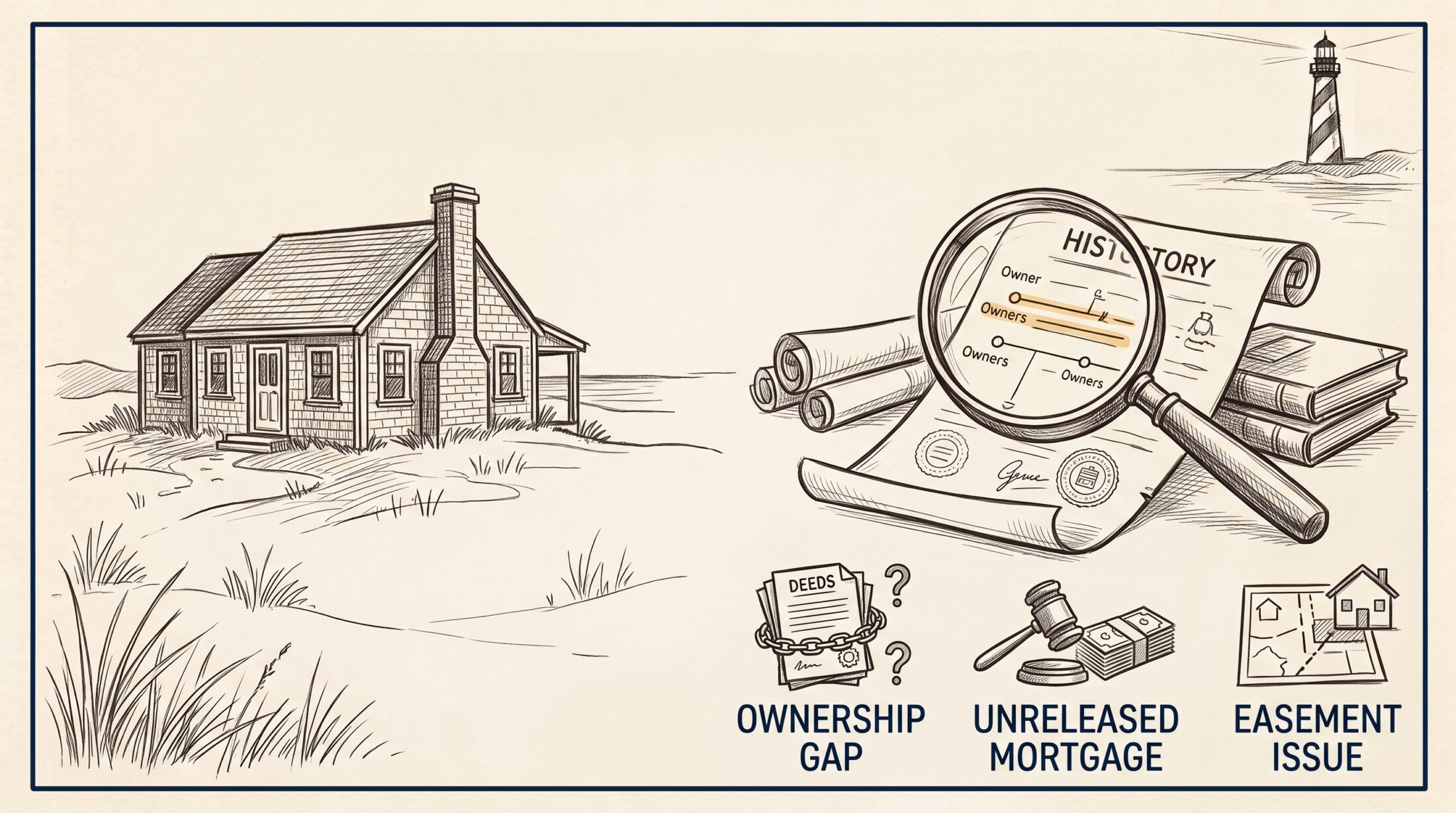
A: Generally, it is the Seller’s obligation to convey clear and marketable title to the Buyer. It is the Buyer’s obligation to perform a title search to ensure the same. The Buyer’s attorney for a purchase reviews the title for a period of 50 years or more to ensure that there are no liens or other issues of record. One of the most common title issues that come up are undischarged mortgages, namely when a mortgage has been paid off without a discharge having been filed. Most title issues can be resolved without incident, but there are occasions where more “serious” title issues – such as a missing interest in the property – can cause closing delays.
Q: Who pays for the Title 5 septic inspection on Cape Cod, and what happens if the system fails?
A: Generally, it is the Seller’s responsibility to have the septic system inspected prior to closing and typically they are required to upgrade the system if it fails. As a Buyer, you want to ensure that it is the Seller’s responsibility to upgrade the septic system if it fails. From a Seller’s standpoint, it is always best to have the septic system inspected before you list the property for sale so you do not encounter any unexpected costs or delays.
Any Final Advice?
A: Stay informed and ask questions!